In 2007, I picked up a book called Bringing Nature Home by Doug Tallamy. I wasn't looking for it. I found it at a native plant sale, read the back cover, and bought it on instinct. I didn't put it down for three days.
In 2007, I picked up a book called Bringing Nature Home by Doug Tallamy. I wasn't looking for it. I found it at a native plant sale, read the back cover, and bought it on instinct. I didn't put it down for three days.
At the time, I had a front lawn at 15 Hillside Road that looked like every other front lawn on the street. Grass, a few foundation shrubs, a young street tree. Nothing wrong with it by conventional standards. Nothing right with it by ecological ones.
Tallamy's argument is simple and devastating: the plants we choose for our landscapes determine which insects can live there, and the insects determine which birds can survive. Native oaks support over 500 species of caterpillars. The ornamental Bradford pear — one of the most commonly planted trees in suburban America — supports fewer than five. When we replace native plants with non-native ornamentals, we don't just change the look of the landscape. We collapse the food web.
I had been in landscaping for years at that point. I knew plants. I knew design. I thought I knew what a good garden looked like. Tallamy showed me what a good garden does — and the difference between those two things is the difference between decoration and ecology.
That book is the reason Wild Bird DesignScapes exists. I am, as I tell anyone who will listen, just a messenger for Doug Tallamy's ideas. He did the science. I try to put it in the ground.
If you haven't read it, read it. If you have, read it again. It holds up.
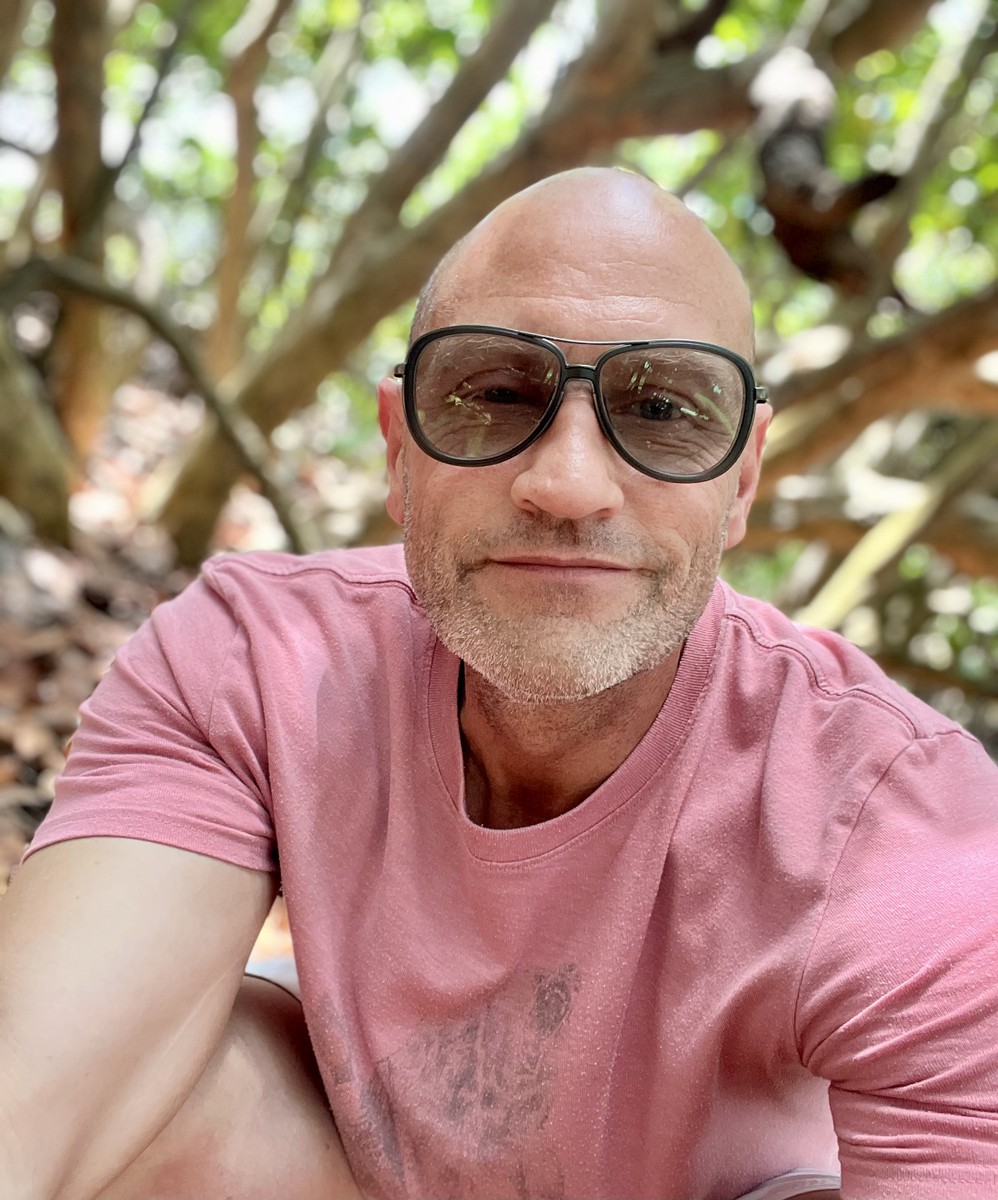
Bob Barrett
Founder & Visionary, Wild Bird DesignScapes · Wayne, PA
Landscape designer, lifelong birdwatcher, and native habitat advocate.