Wildflower Week 2026
WBDS Service · Hummingbird Pocket Rocket Nectar Haven
Wild Bird DesignScapes · Custom Design · Eastern Pennsylvania
Hummingbird
Garden Packages
Four custom design tiers. Five ecological layers. One unbroken bloom succession from April through November — each project site-specific, designed from the ground up. Nothing here is plug-and-play.
The WBDS Signature Selection
Six Plants That Will
Bring Them In
These are the plants Bob Barrett has documented attracting Ruby-throated Hummingbirds at Hillside Road, Wayne PA — and the foundation of every WBDS hummingbird design. One marked APPROVED is a non-native that earns its place ecologically.
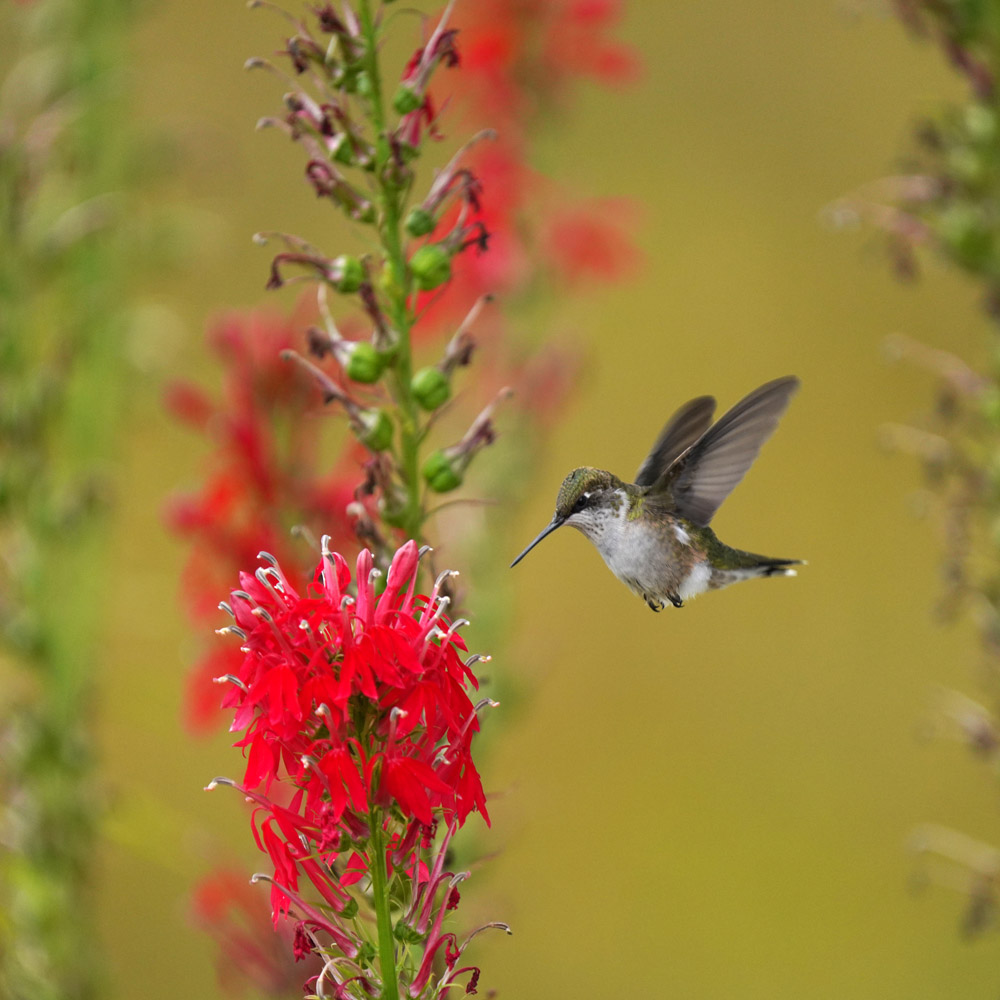
Cardinal Flower
Lobelia cardinalis
Jul–Sep
The single most important hummingbird plant in the eastern US.
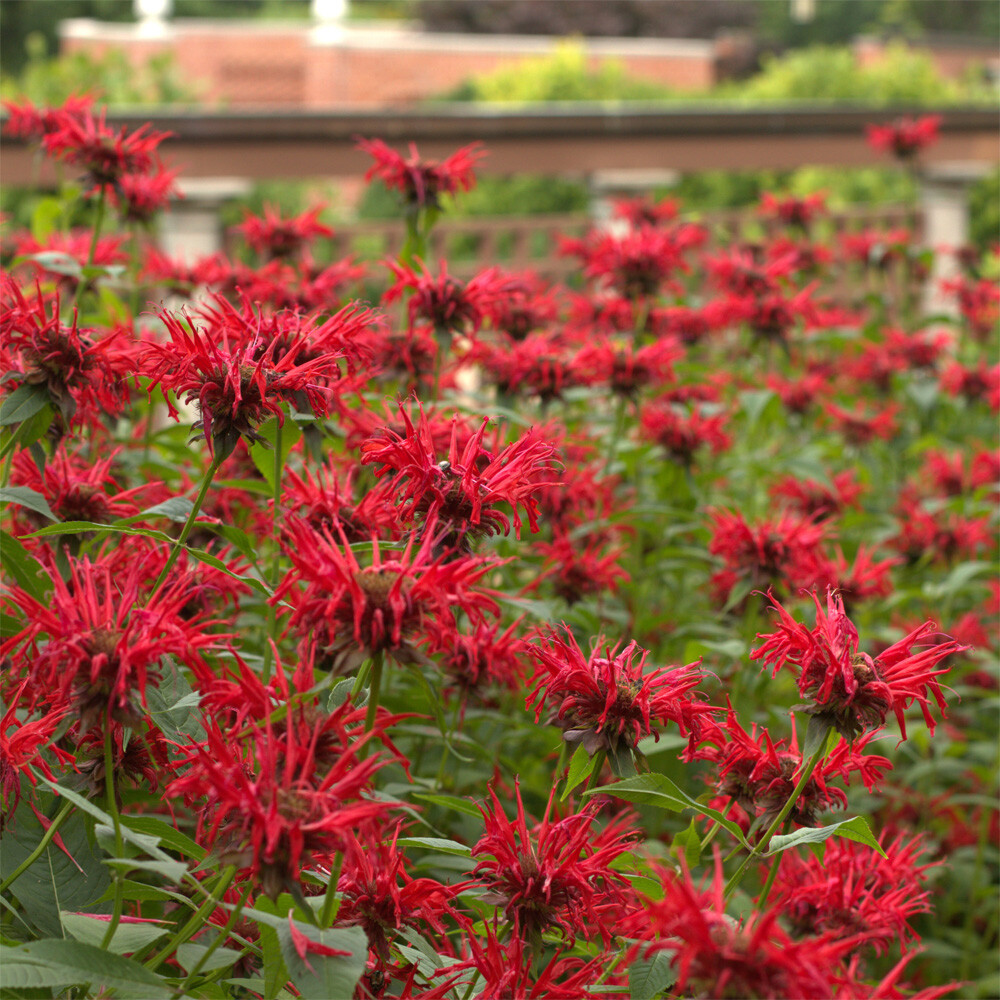
Jacob Cline Bee Balm
Monarda didyma 'Jacob Cline'
Jul–Aug
Biggest red blooms of any Monarda. Mildew-resistant.
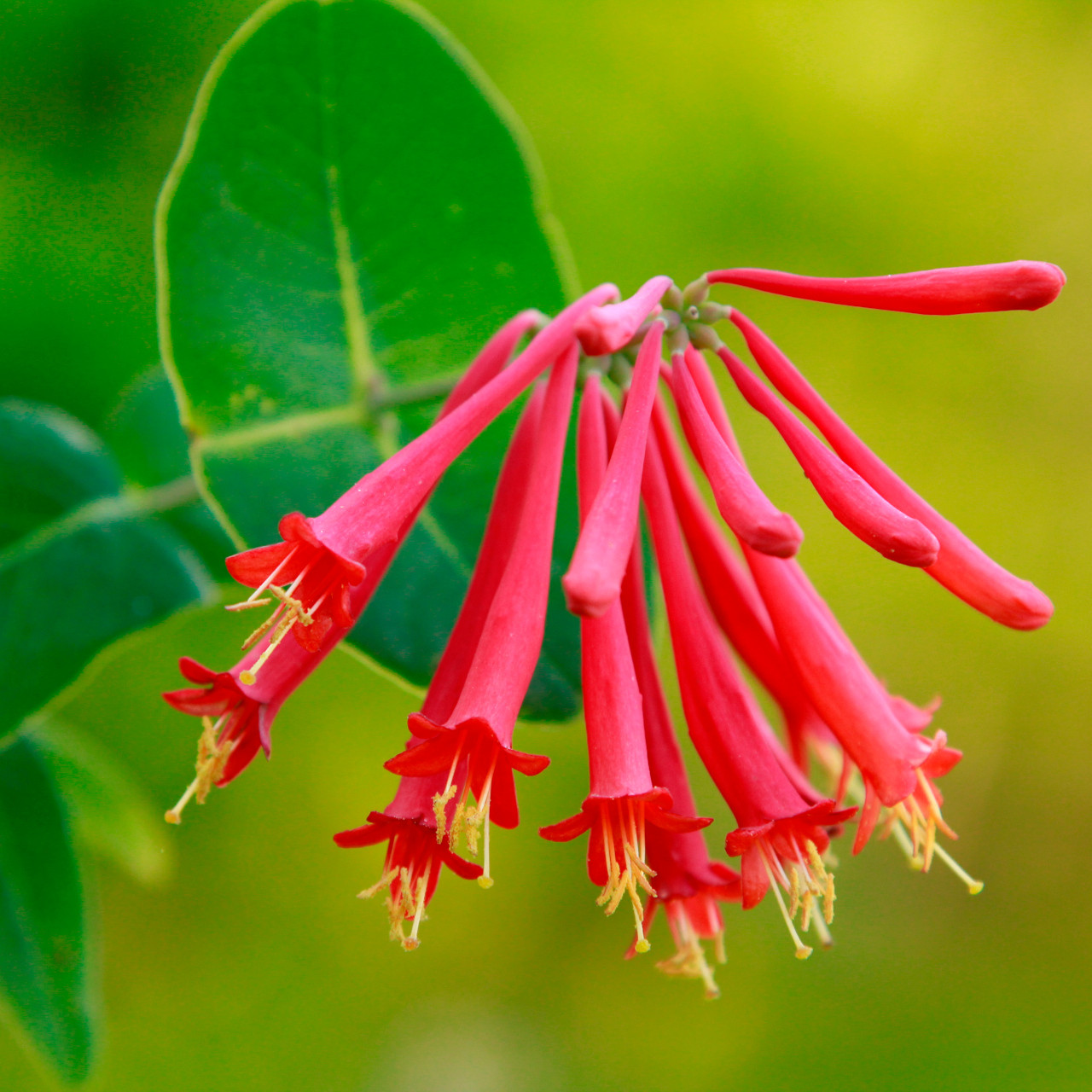
Trumpet Honeysuckle
Lonicera sempervirens
Apr–Oct
The well-behaved native vine. Blooms spring through fall.
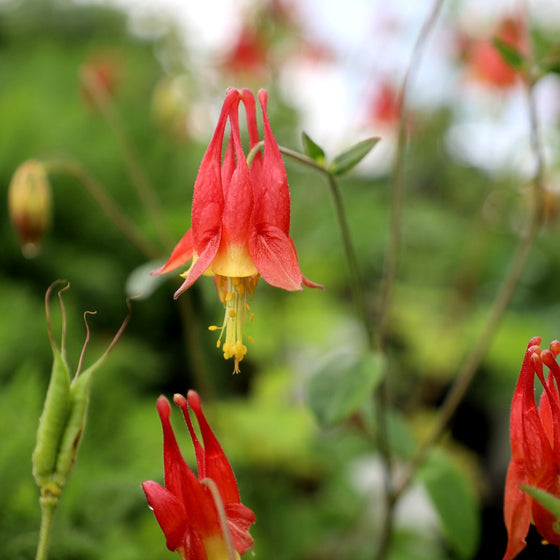
Wild Columbine
Aquilegia canadensis
Apr–May
The spring bridge — fuels northbound migrants before anything else opens.
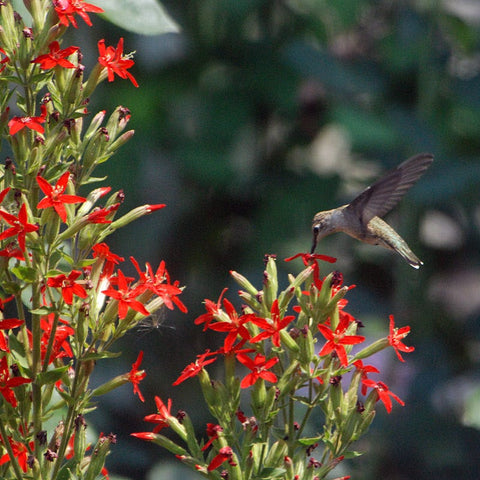
Royal Catchfly
Silene regia
Jul–Aug
Scarlet star flowers on wiry stems. Hummingbirds flock to it.
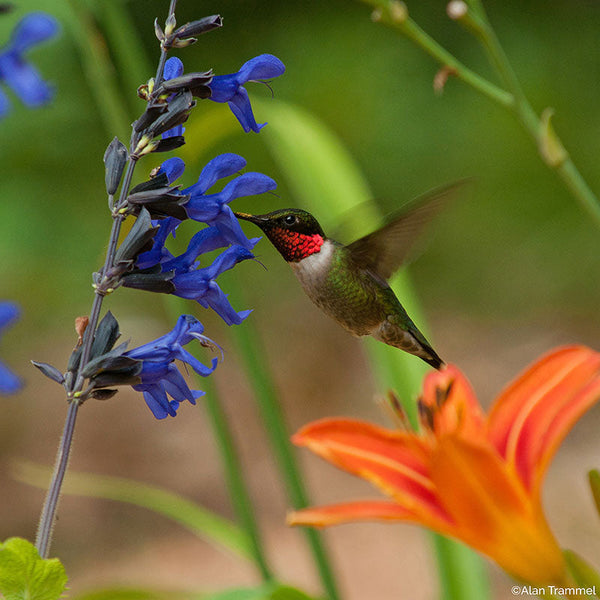 APPROVED
Salvia 'Black and Blue'
Salvia guaranitica
Jun–frost
Deep cobalt tubes with black calyx. Hummingbirds go wild for it.
The Bird You Are Designing For
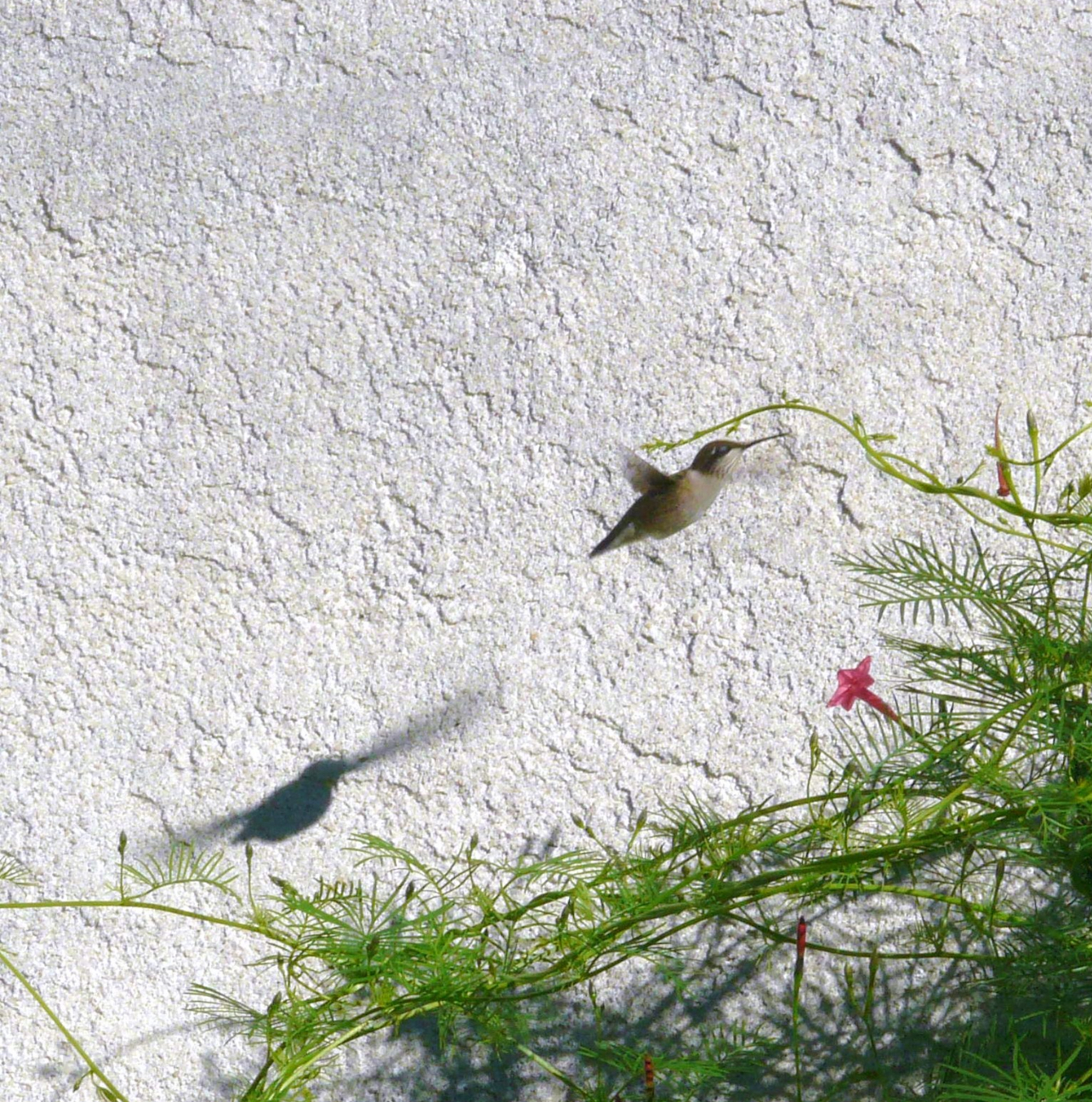
Ruby-throated Hummingbird
Archilochus colubris
The only hummingbird species that breeds in Eastern Pennsylvania. In September, they depart for Mexico and Central America — crossing the Gulf of Mexico in a single non-stop flight of roughly 500 miles over open water. No land. No rest. On stored fat alone. Your garden is their last refueling stop before that crossing.
In the days before departure, they perch — surveying the garden from a bare branch, returning between feeding bouts. Every WBDS Haven-tier design includes a dedicated perch element positioned at the edge of the nectar zone.
Rufous Hummingbird — The Winter Surprise
A small number of Rufous Hummingbirds (Selasphorus rufus) — a western species — have been documented overwintering in southeastern Pennsylvania, a trend growing since the 1990s. Dedicated birders run heated nectar feeders all winter to support these rare visitors.
Bob Barrett is conducting his own overwintering trial this fall. Watch WBDS Live for updates.
Hummer Pocket
Window boxes · Containers · Tight borders
Bloom Window
April → November
Where it all begins. A single window box or container cluster designed to bring a Ruby-throated Hummingbird within arm's reach of your window. This is the tier that started at Hillside Road with a 30 × 25 ft space and a copy of Bringing Nature Home.
Key Design Move
Position the primary nectar plant directly in the sightline of your most-used window. The hummingbird becomes part of your daily view.
Hummingbird Plant Palette — Key Species
Wild Columbine
Aquilegia canadensis
Apr–May
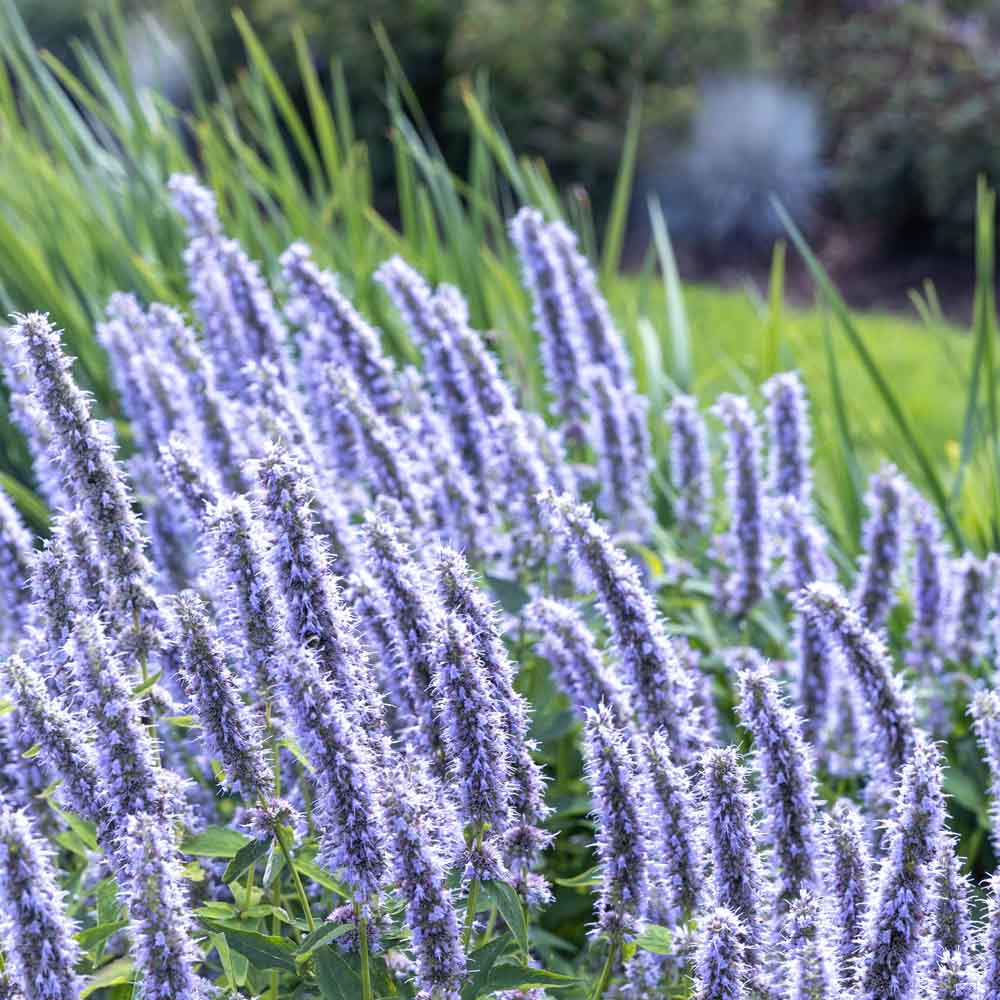
Agastache 'Blue Fortune'
Agastache foeniculum
Jul–Sep
 APPROVED
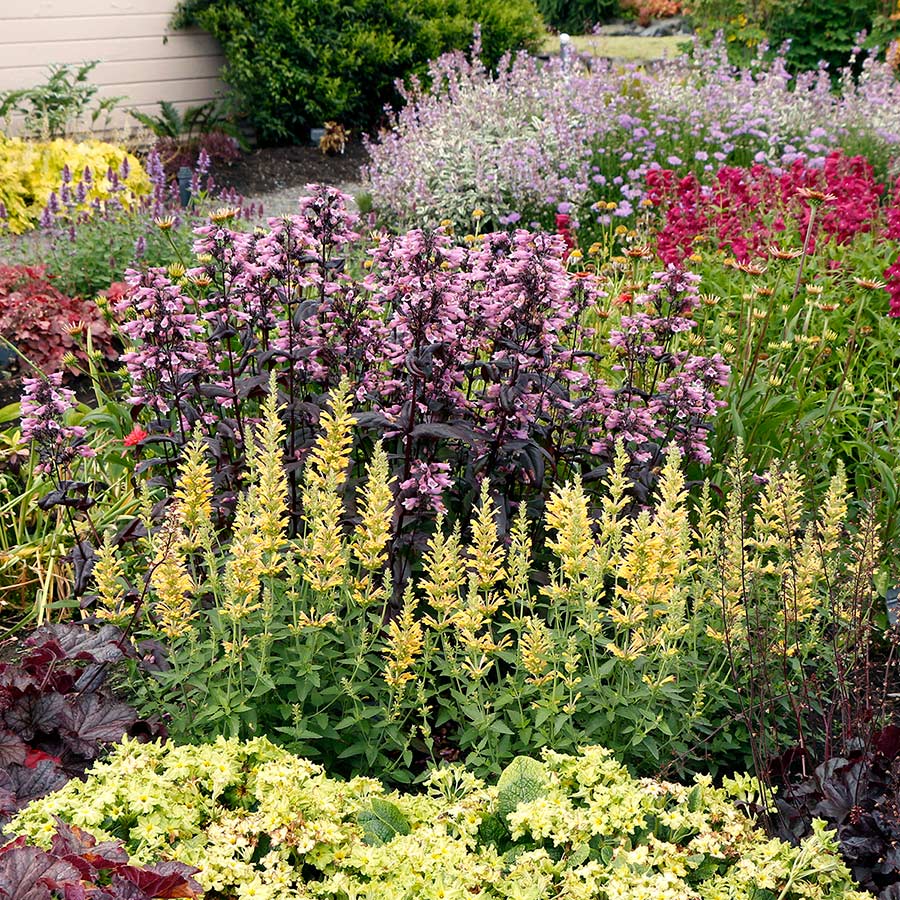
Agastache 'Poquito Butter Yellow'
Agastache hybrid
Jun–frost
APPROVEDSalvia 'Black and Blue'
Salvia guaranitica
Jun–frost
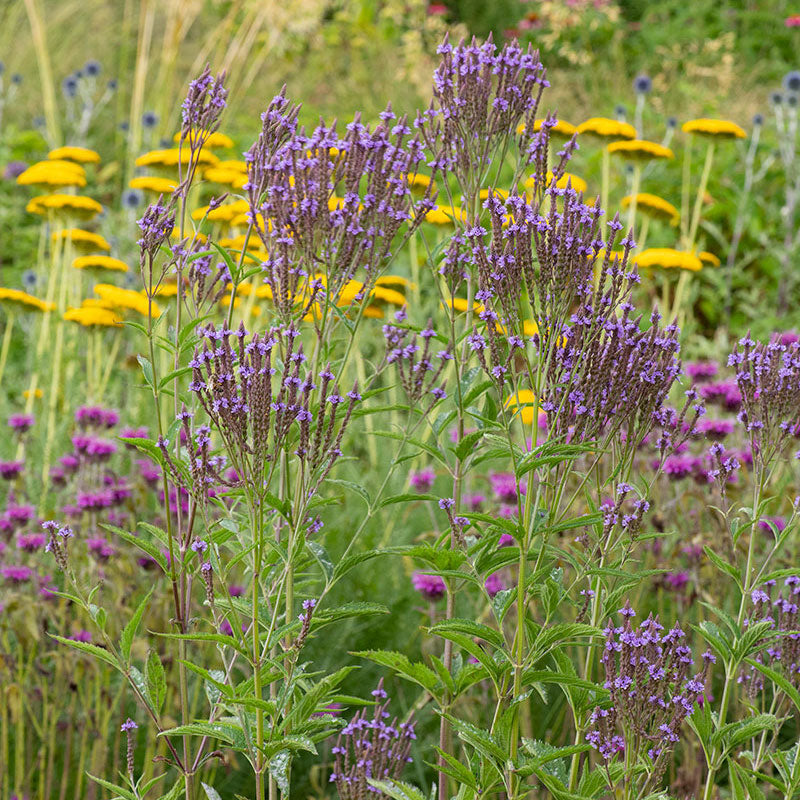
Verbena hastata
Verbena hastata
Jul–Oct
Butterfly & Pollinator Companions
Hummer Nectar
Dedicated garden bed · Side yard · Front border
Bloom Window
April → November
A dedicated nectar border with an unbroken bloom succession from April through November. Every plant chosen for its tubular flower architecture, its bloom timing, and its ecological role beyond the hummingbird. This is a living system, not a flower bed.
Key Design Move
Stagger bloom times so there is never a gap in the nectar supply. The hummingbird learns your garden's schedule and returns daily.
Hummingbird Plant Palette — Key Species
Cardinal Flower
Lobelia cardinalis
Jul–Sep
Jacob Cline Bee Balm
Monarda didyma 'Jacob Cline'
Jul–Aug
Trumpet Honeysuckle
Lonicera sempervirens
Apr–Oct
Royal Catchfly
Silene regia
Jul–Aug
APPROVEDSalvia 'Black and Blue'
Salvia guaranitica
Jun–frost
Wild Columbine
Aquilegia canadensis
Apr–May
Butterfly & Pollinator Companions
Hummer Haven
Full yard transformation · Estate border
Bloom Window
March → November
A full habitat transformation — all five ecological layers present and functioning. The hummingbird does not just visit; it lives here. Nesting cover, insect habitat, water, perch structure, and a bloom succession that runs from the first Spicebush flower in March through the last native Aster in November.
Key Design Move
Use Switchgrass or Karl Foerster to create enclosed 'rooms' — spaces where the hummingbird can be observed from a fixed point. The grass creates the walls. The nectar plants are the furniture.
Hummingbird Plant Palette — Key Species
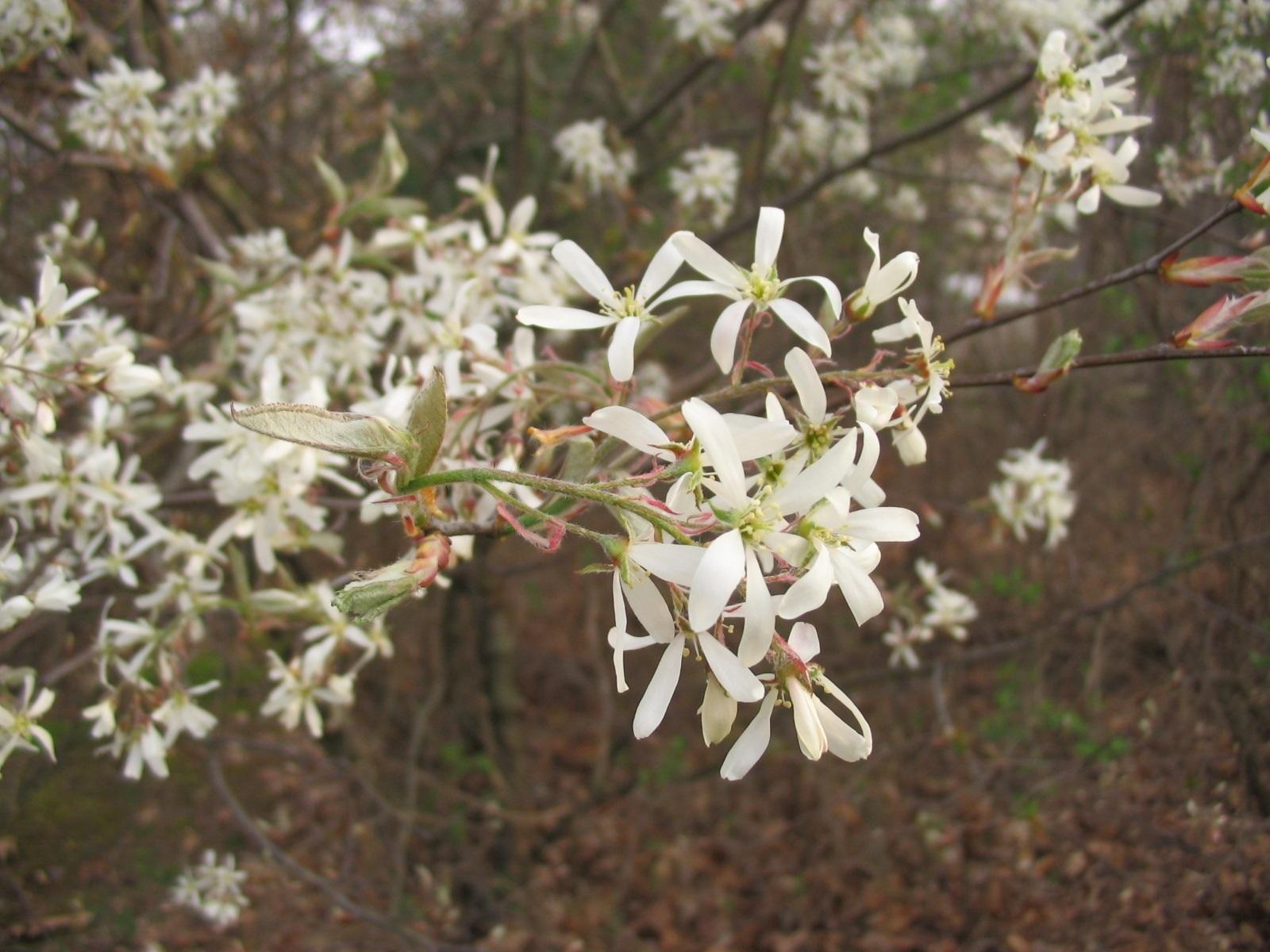
Native Serviceberry
Amelanchier canadensis
Apr–May
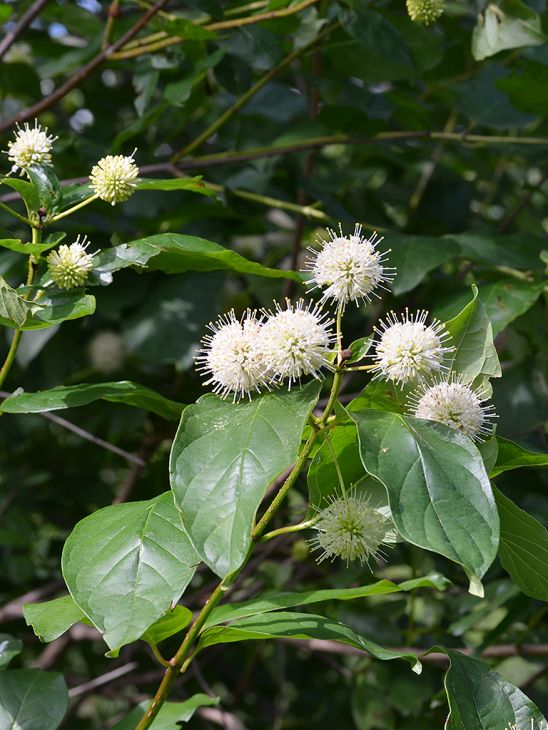
Buttonbush
Cephalanthus occidentalis
Jul–Aug
Cardinal Flower
Lobelia cardinalis
Jul–Sep
Royal Catchfly
Silene regia
Jul–Aug
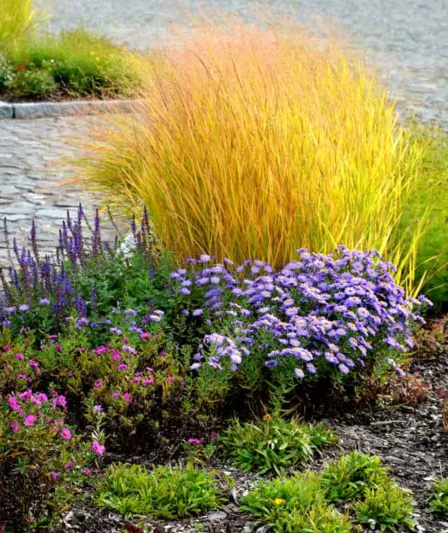
Switchgrass
Panicum virgatum
Structure
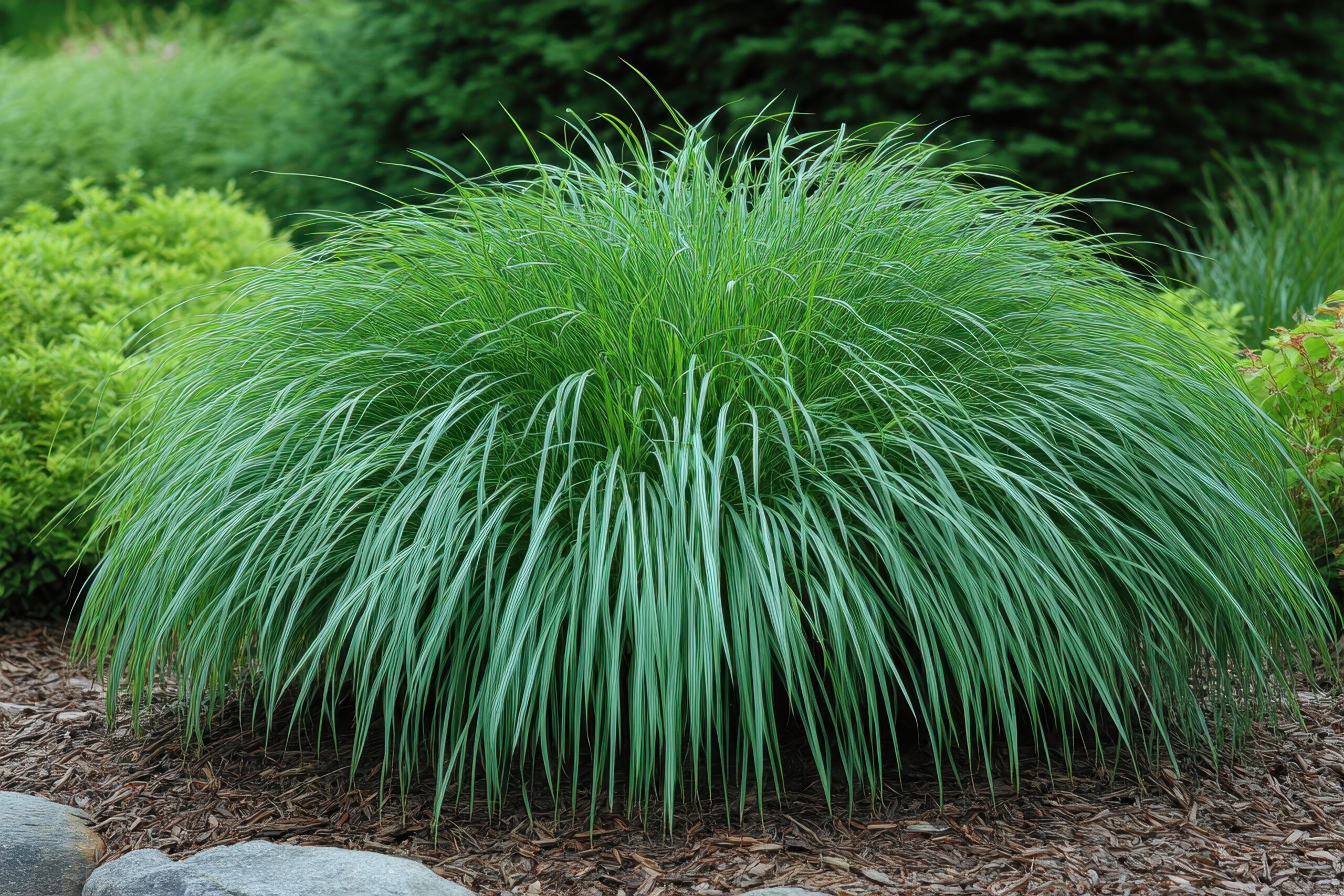
Pennsylvania Sedge
Carex pensylvanica
Groundcover
Butterfly & Pollinator Companions
Hummer Haven Elite
Estate & legacy properties · Custom design
Bloom Window
March → November — all five layers, all five seasons
A restored ecosystem with a custom design infrastructure built into it. The WBDS Bi-Directional Waterfall anchors a recirculating stream that becomes the ecological spine of the entire property. Every habitat room — hummingbird nectar garden, bluebird trail, Monarch corridor, butterfly meadow — is positioned in relation to the water.
Key Design Move
The recirculating stream is the organizing principle. Every bird, every pollinator, every butterfly on the property has access to clean moving water. The homeowner watches it all unfold from inside their home.
Hummingbird Plant Palette — Key Species
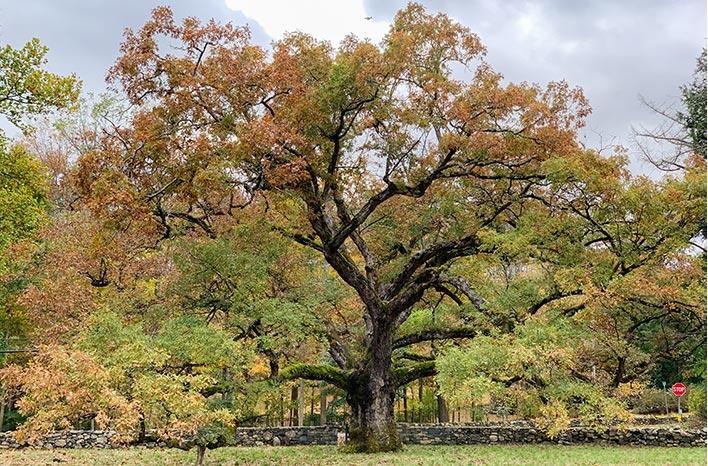
Native Oak
Quercus spp.
Keystone
Native Serviceberry
Amelanchier canadensis
Apr–May
Buttonbush
Cephalanthus occidentalis
Jul–Aug
Cardinal Flower
Lobelia cardinalis
Jul–Sep
Royal Catchfly
Silene regia
Jul–Aug
Pennsylvania Sedge
Carex pensylvanica
Groundcover
Butterfly & Pollinator Companions
Premium Add-On · Available at Any Tier
Integrated Camera
Streaming System
Cameras embedded in exterior trim, fence posts, or custom-fabricated mounts — positioned to capture hummingbirds, bluebirds, or any habitat element at close range. Each system is custom-scoped to the property and the client's viewing goals. Optional dedicated interior nature screen. Every installation is unique. Pricing reflects that.
The WBDS Non-Negotiables
These plants never appear in a WBDS design. Not in any tier. Not as a compromise.
Miscanthus — Miscanthus sinensis
Invasive ornamental grass sold everywhere. Displaces native grasses. Zero caterpillar host value. Replace with Little Bluestem or Switchgrass.
Butterfly Bush — Buddleja davidii
Non-native invasive. Provides nectar but zero caterpillar host value. Ecological dead end.
Japanese Barberry — Berberis thunbergii
Invasive. Creates tick habitat. Displaces native understory. Banned in several states.
English Ivy — Hedera helix
Invasive ground cover. Smothers native plants and tree roots. Ecological void.
Burning Bush — Euonymus alatus
Invasive. Spreads aggressively. Banned in several northeastern states.
Nandina — Nandina domestica
Berries are toxic to birds. Non-native invasive. Looks harmless. It is not.
Tropical Milkweed — Asclepias curassavica
Does not die back in winter. Disrupts Monarch migration cues. Harbors OE parasite (Ophryocystis elektroscirrha). Use A. tuberosa, A. incarnata, or A. syriaca instead.