habitatspring
Why We Build with Accoya
Not all wood is created equal. When we design native habitat elements for your garden, we build them to last — and the material we trust most is Accoya.
April 30, 2026
Wildflower Week 2026
Seasonal observations, habitat stories, and dispatches from the native garden — written by Bob Barrett from Wayne, PA.
9 notes
Not all wood is created equal. When we design native habitat elements for your garden, we build them to last — and the material we trust most is Accoya.
On April 29, Bob joined the Willistown Conservation Trust at Rushton Woods Preserve for an evening that reminded every person in the room why native habitat design is not optional — it's urgent.
March 20th. The female arrived first — she always does. She inspected the box for about four minutes, went inside twice, and left. By the 22nd, the male had joined her. We've been watching every morning since.
Every fall, I watch the leaf blowers come out. Neighbors spend entire weekends removing what is, ecologically speaking, the most valuable layer of their entire property. I understand the impulse. I used to feel it too.
Ruby-throated Hummingbirds typically arrive in the Philadelphia region between late April and mid-May. The males come first, scouting territory. The females follow. If your garden isn't ready when they arrive, they'll move on — and they may not come back.
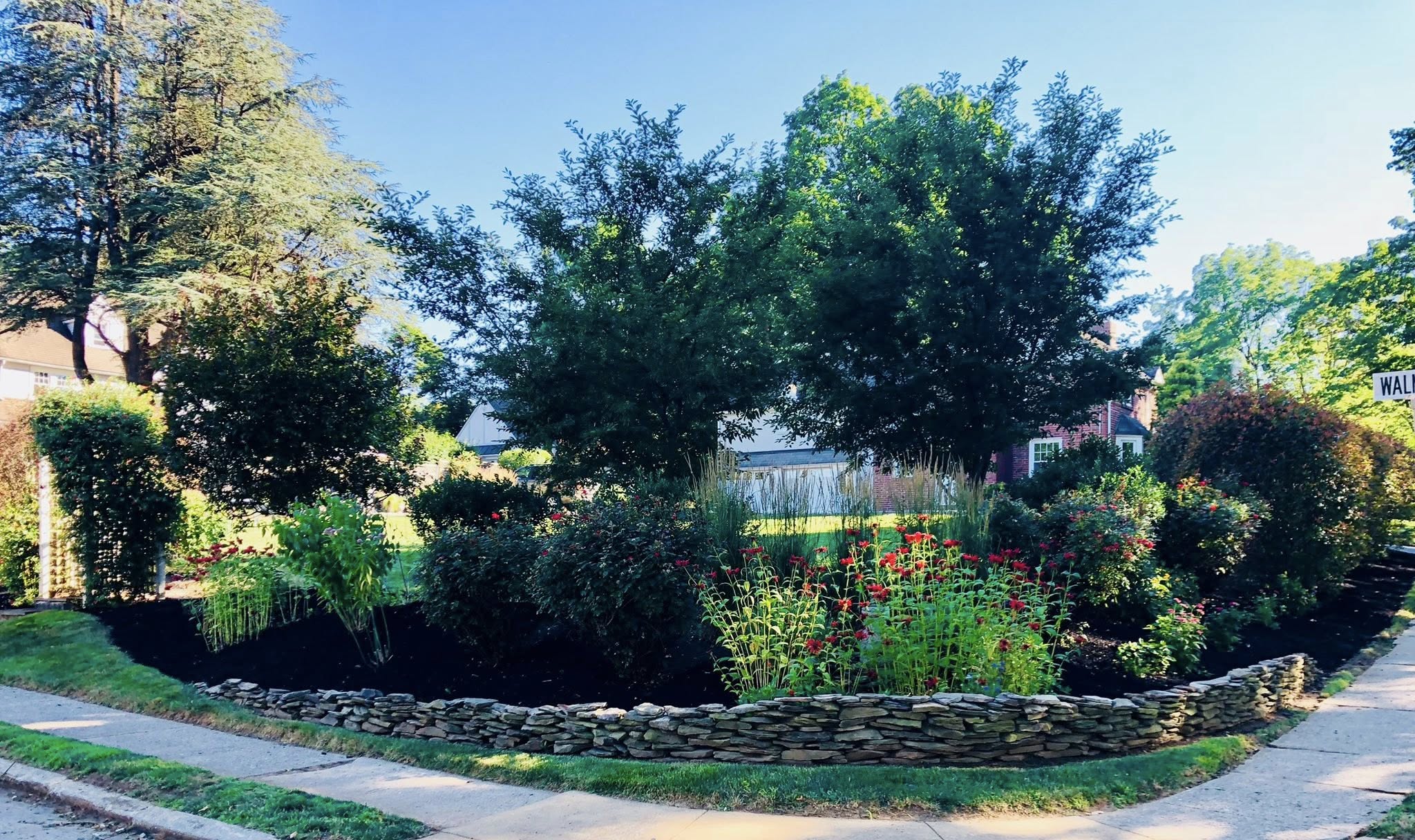
People always ask how much space they need to make a difference. My answer is always the same: less than you think. The Pocket Pollinator Meadow behind our garage at 15 Hillside Road is 750 square feet. That's it.
After the ice storm in February 2011, I walked out to the back border and found the Winterberry (Ilex verticillata) encased in ice — every red berry cluster suspended in a perfect glaze. It was one of the most beautiful things I've ever seen in the garden.
In 2014, a tagged Monarch butterfly visited the Pocket Pollinator Meadow at 15 Hillside Road. The tag was traced back to its overwintering site in the mountains of central Mexico. It had traveled over 2,000 miles to find our garden.
In 2007, I picked up a book called Bringing Nature Home by Doug Tallamy. I wasn't looking for it. I found it at a native plant sale, read the back cover, and bought it on instinct. I didn't put it down for three days.
Subscribe to the WBDS newsletter and receive seasonal dispatches, native plant spotlights, and habitat tips from Bob.
Subscribe Free