On April 29, Bob joined the Willistown Conservation Trust at Rushton Woods Preserve for an evening that reminded every person in the room why native habitat design is not optional — it's urgent.
The Room Was Full. That Tells You Everything.
On the evening of April 29, I stood in front of a full room at Rushton Woods Preserve in Newtown Square — one of Chester County's most important conservation properties — and talked about native habitat design, the AEAA framework, and what it actually takes to bring birds back to a landscape.
The Willistown Conservation Trust hosted the event as part of their ongoing education series. The title was Design a Backyard Pollinators Love, but what unfolded over those two and a half hours was something bigger than a workshop. It was a conversation about urgency.
What We Talked About
We started with the data — the 30% decline in eastern forest bird populations since 1970, the collapse of insect biomass, the direct line between what we plant and what survives. Doug Tallamy's work was the foundation, as it always is. But the room didn't need to be convinced of the problem. They already felt it. What they needed was a path forward.
That's where the AEAA framework came in.
Awareness — noticing what's actually happening in your own backyard. Which birds visit. Which don't. What your landscape currently offers, and what it lacks.
Education — understanding the science. Native plants support the insects that feed birds. A single native oak can support over 500 species of caterpillars. A Bradford pear supports almost none.
Awe — the moment something shifts. When you watch a bluebird carry a caterpillar to a nest box you installed, something fundamental changes in how you see your property. That emotional connection is what drives lasting action.
Action — the practical steps. Site assessment. Removing invasives. Planting keystones. Adding water. Leaving the leaves.
Rushton Woods as a Living Classroom
There's something powerful about having this conversation at Rushton Woods specifically. The Rushton Bird Banding Station has been monitoring songbird populations here for over 20 years. The data collected at this site is part of the scientific record of what's happening to bird populations in the eastern United States. Standing on that land, surrounded by mature second-growth forest and the restored meadow edges along Crum Creek, the urgency isn't abstract. It's right there.
I'm grateful to Blake, Lisa, and the entire Willistown Conservation Trust team for the partnership and the platform. Events like this are how awareness becomes action at scale.
What Comes Next
The energy in that room didn't end when the evening did. New connections were made that I believe will shape the direction of native habitat work in this region for years to come.
If you weren't there, the next opportunity is coming. Watch this space.
And if you want to see what a thriving native habitat looks like in real time — the bluebird box cam is live. Five chicks hatched this spring. That's not a coincidence. That's what happens when you design with intention.
— Bob Barrett, Wild Bird DesignScapes
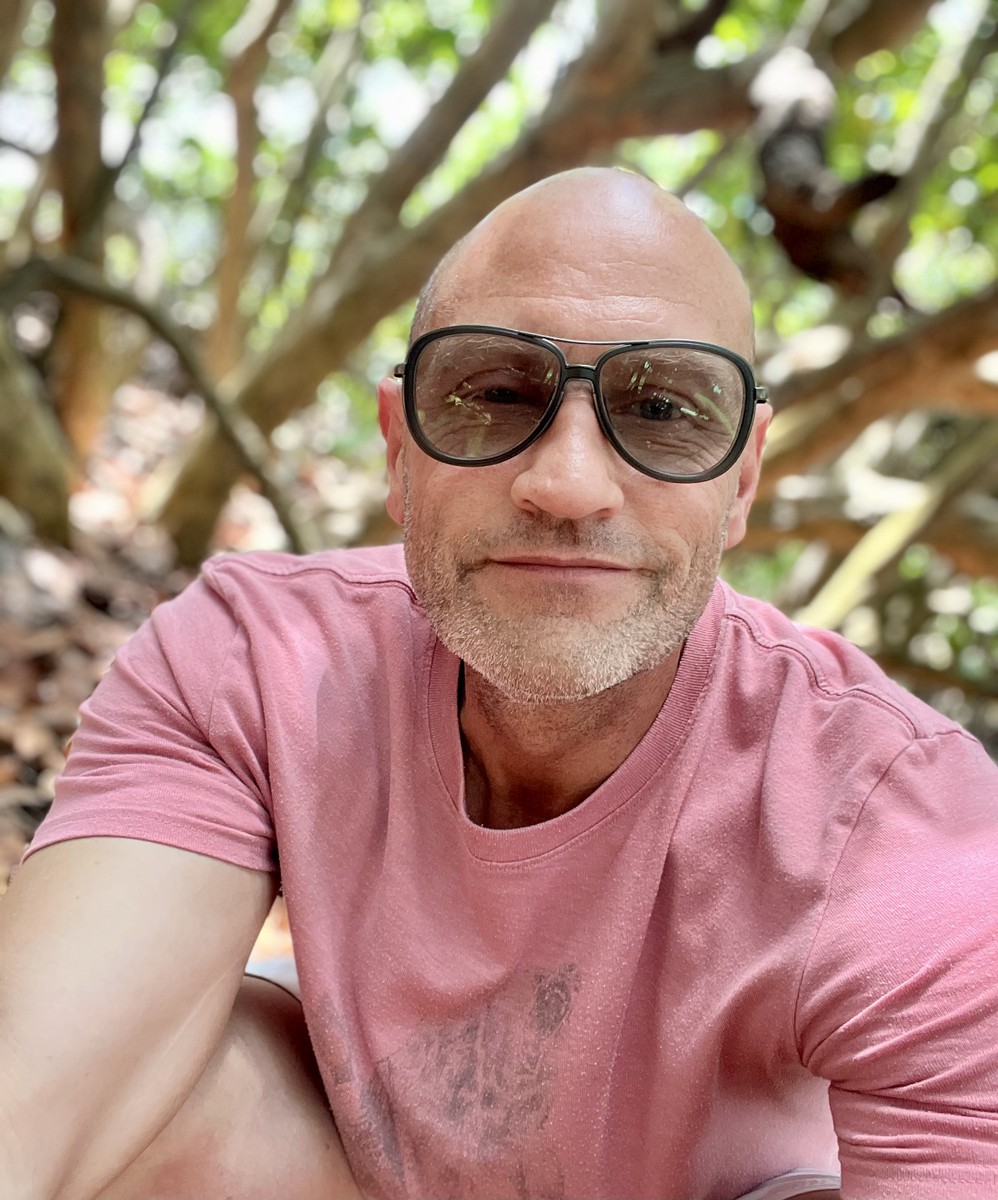
Bob Barrett
Founder & Visionary, Wild Bird DesignScapes · Wayne, PA
Landscape designer, lifelong birdwatcher, and native habitat advocate.