Hamilton, NJ — Where It Started
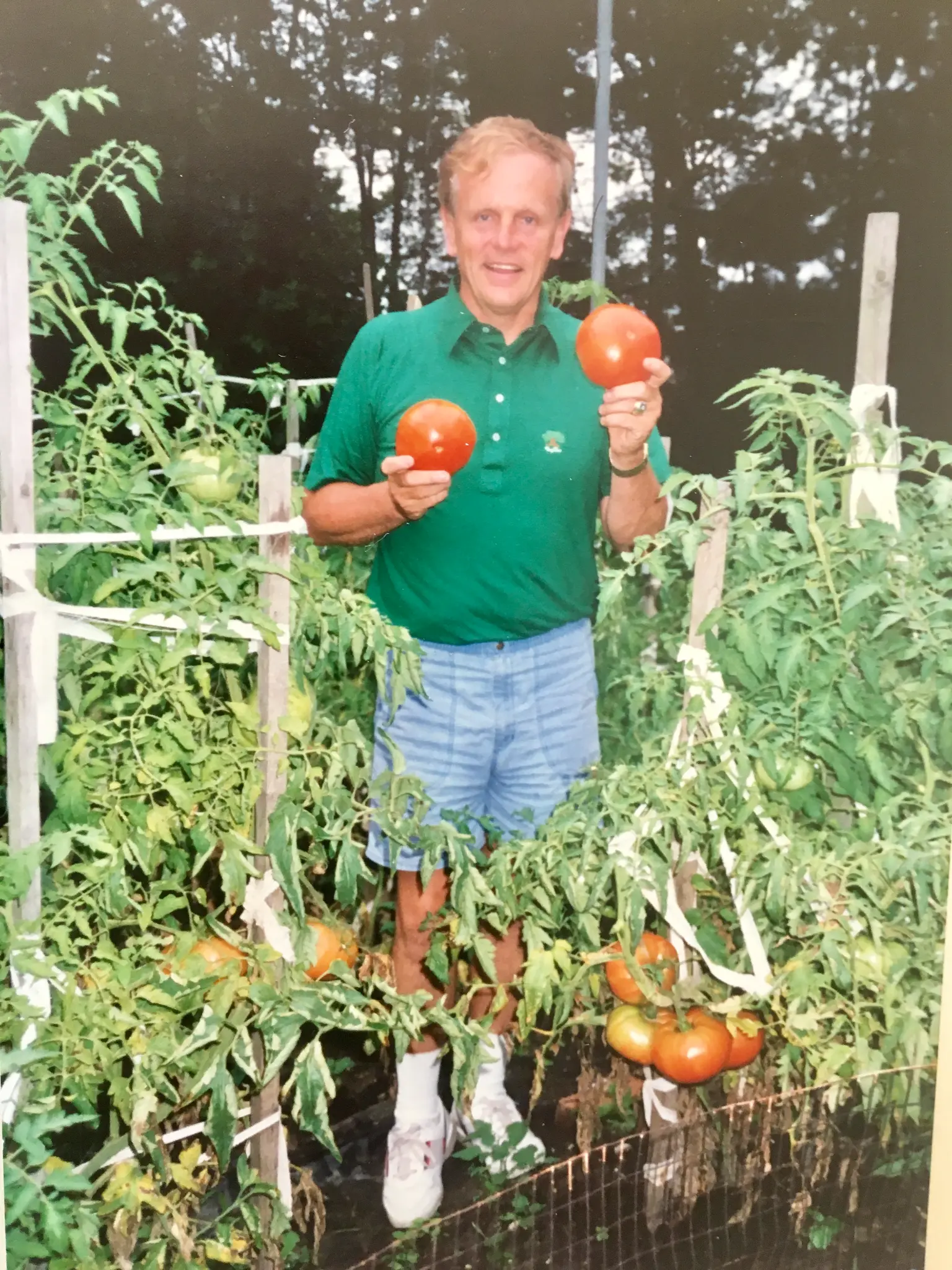
Bob Barrett grew up in Hamilton, New Jersey, in a household where the backyard was taken seriously. It was his mother's garden — a woman who tended it with the same care and attention that others reserved for fine things. His father helped, season after season, the two of them working the soil together. The garden was not decoration. It was a relationship with the land, producing food and drawing life in equal measure.
It was also where Bob first encountered the Purple Martin — a colonial swallow that returns to the same nest site year after year, and one of the most charismatic birds in the Eastern United States. Monitoring the Purple Martin house in the backyard was not a chore. It was a ritual. A lesson in observation, patience, and the rewards of creating the right conditions for wildlife to arrive on its own terms.
Barrett Lawn & Landscaping — The First Business
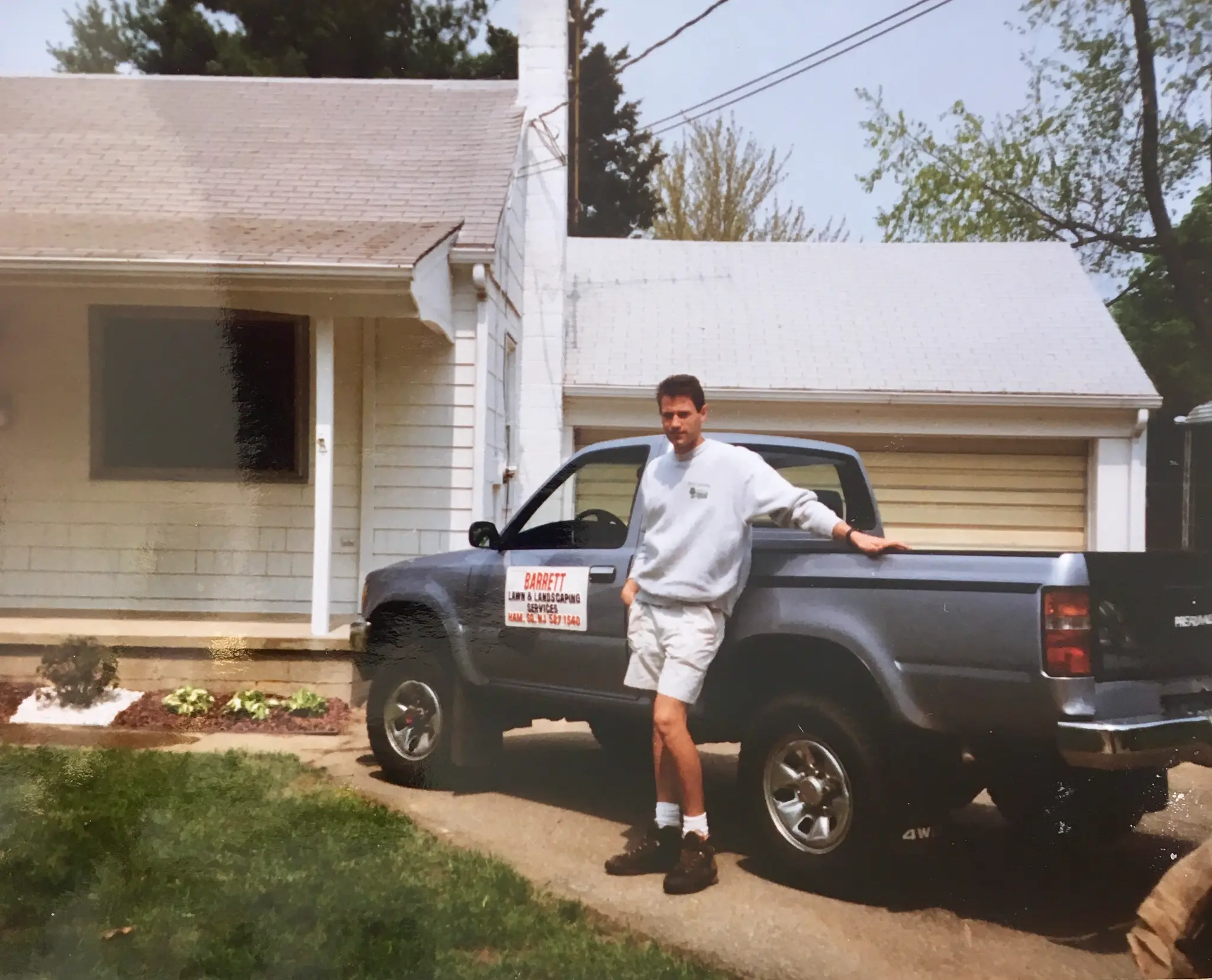
Before Wild Bird DesignScapes, before Rowan University, before Milan — there was a truck. A grey Ford Ranger with a magnetic sign on the door: Barrett Lawn & Landscaping Services, Ham. NJ, 587-1546. Bob built that business with his hands as a young man in Hamilton, mowing lawns and trimming shrubs across the neighborhood. It was his first education in how people relate to their land — and how rarely they think about what their landscape could be doing for the living world around it.
He sold the business before leaving for Rowan University, where he played college basketball. But the instinct — the desire to work with land, to make things grow, to understand how a property functions as a living system — never left him.
Milan — The Design Education
After Rowan, Bob had the rare fortune of living in Milan, Italy — a city that understands that beauty and function are not opposites. It was there, walking through the Boboli Gardens in Florence and the formal gardens of the Italian countryside, that he began to understand design not as decoration but as intention. Every axis, every planting, every view corridor was a decision about how a human being would move through space and feel in it.
He carried those principles back to the United States — where he spent the next twenty years in corporate America, meeting Joy in Philadelphia, building a family, and never quite letting go of the conviction that the most important design work he could do was outside, in the living landscape, where it would matter to something other than human aesthetics.
The Sign — Full Circle
Decades later, the original Barrett Landscaping Service sign turned up again — rediscovered and brought to Wayne, PA, where it now rests in the native woodland garden at the WBDS Field Headquarters. The sign that once advertised edging and shrub trimming in Hamilton, NJ now sits surrounded by leaf litter, fieldstone boulders, native understory, and bluebird boxes. It is not displayed ironically. It is displayed with gratitude — as a reminder of where the work began, and how far the understanding of what "landscaping" can mean has come.

Wild Bird DesignScapes — The Work That Was Always Coming
Wild Bird DesignScapes launched five months ago — but it has been in development for a lifetime. The science comes from Doug Tallamy, whose research on native plants and insect communities has transformed how ecologists and landscape designers understand the residential landscape. The design sensibility comes from Italy, from the Boboli and Bardini Gardens, from twenty years of looking at how the best designers in the world think about space, movement, and the relationship between human beings and the living world they inhabit.
The conviction comes from six years on a woodland property in Wayne, PA — a living field station and warbler migration corridor every spring, and the proof of concept for everything WBDS offers its clients. The BirdWeather acoustic monitoring station, the nesting box cameras, the hummingbird habitat — all of it is running, right now, in the backyard where this work is done every day.
"You didn't go to nature. Nature came to you."
That is the promise of every WBDS project. Not a garden you visit. A living system that finds you — at your kitchen window, on your back porch, in the moment you least expect it — and reminds you that you are part of something much larger than your property line.